Forensic Financial Journalism

Why Multi-Billion Dollar Giants Implode.

Behind every bankruptcy filing lies an architectural breakdown: predatory leveraged buyouts, distorted revenue recognition, terminal cash burn, and reckless foreign expansion. We deconstruct the post-mortem mechanics of corporate devastation.

$418B+
Cumulative Market Value Vaporized in Audited Studies
100%
Document-Verified SEC & Insolvency Filings
5 Core
Systemic Failure Modes Classified
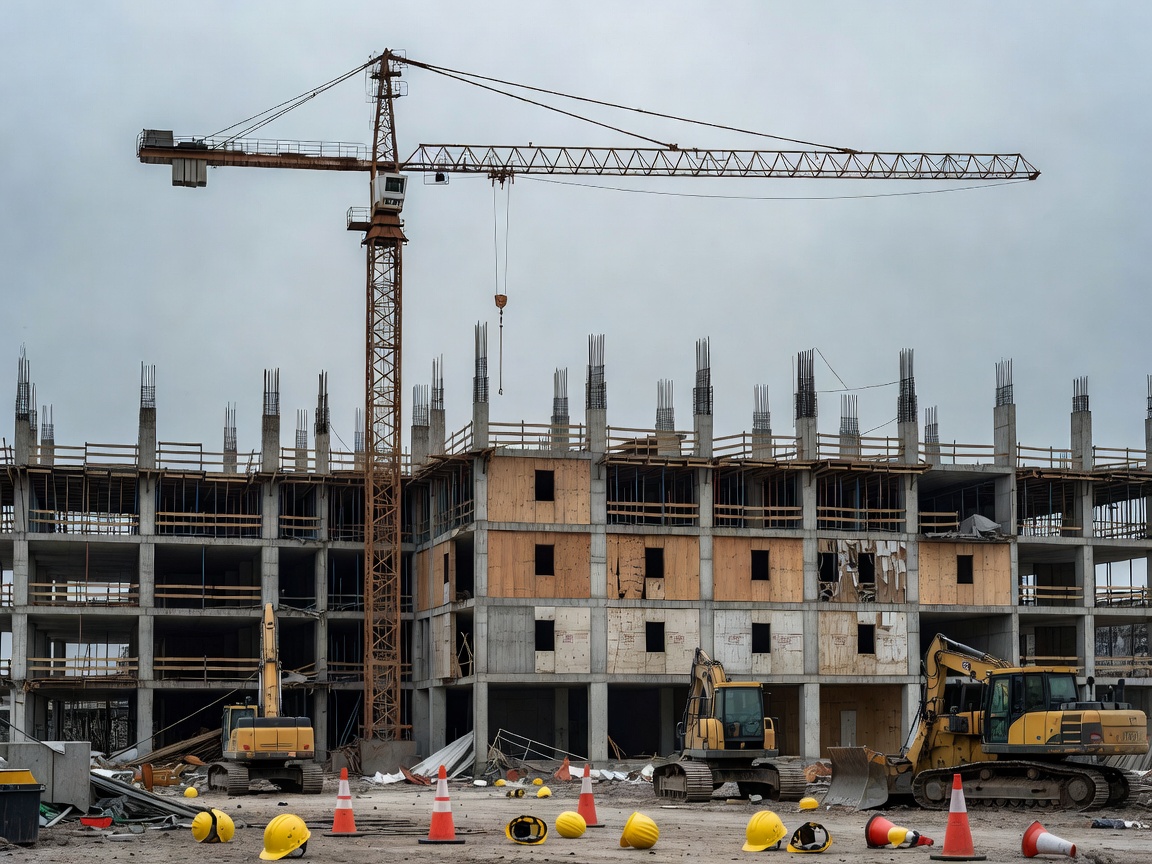
Featured Case Post-Mortem High-rise corporate construction crane symbolizing stalled corporate growth and Carillion liquidation
UK Insolvency Service Docket • Liquidation

Carillion: The £7 Billion Megaproject Mirage

How fixed-price infrastructure bids, hidden subcontractor debts, and a £2.6B pension hole brought down the United Kingdom's primary state contractor in 72 hours.

Read Full Autopsy Report →

Investigative Dossiers

Standalone case records detailing the financial indicators, executive timelines, and audit trails of historic business collapses.

View All Dossiers →
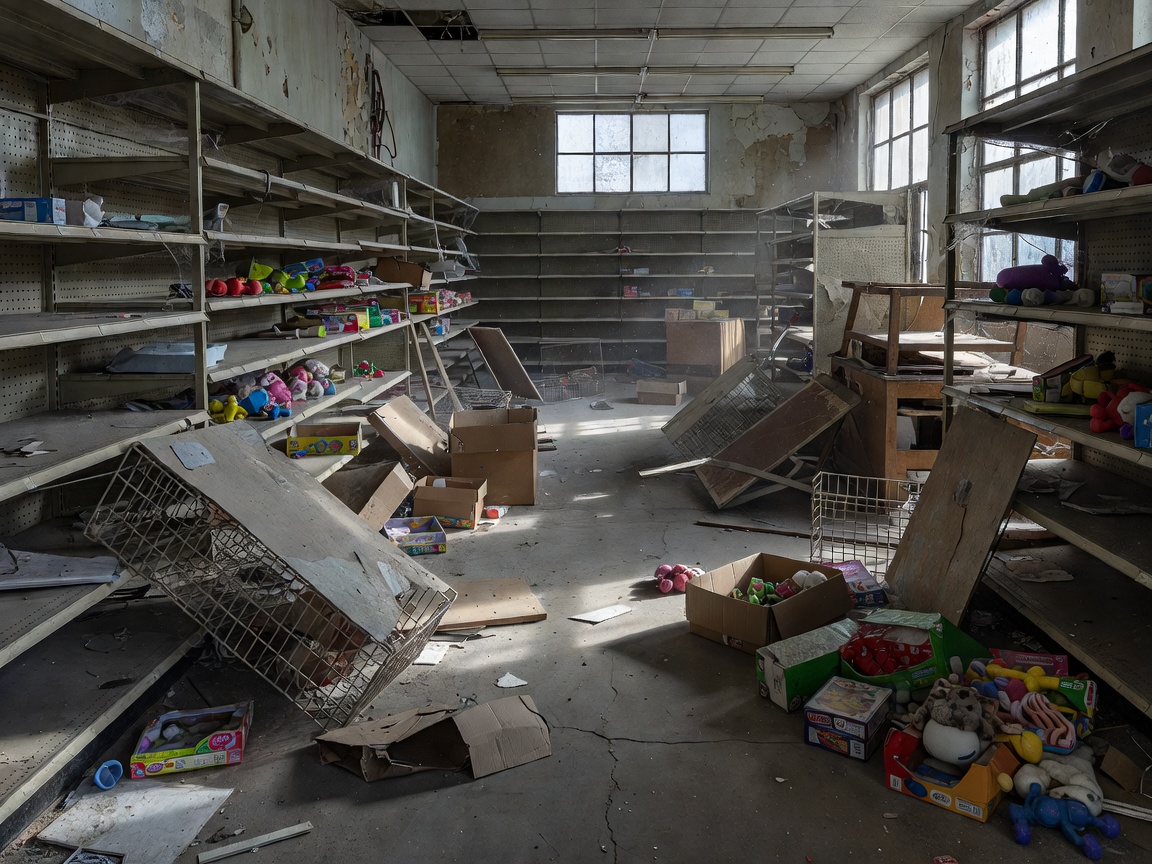
Excessive Debt (LBO) Abandoned retail shelving and empty warehouse aisle representing Toys R Us retail collapse
1948 – 2017 • Chapter 11 Liquidation

Toys "R" Us: Strapped by a $5.3 Billion LBO Straightjacket

A profitable $11B category giant suffocated when KKR, Bain Capital, and Vornado loaded the balance sheet with $400M annual debt service—halting store upgrades and digital logistics.

Peak Debt Load $5,300,000,000
Primary Factor Leveraged Buyout

Read Full Case Study
Accounting Fraud & Debt Towering glass skyscrapers reflecting clouds representing corporate headquarters financial distress
1999 – 2018 • Compulsory Liquidation

Carillion Plc: Aggressive Revenue Booking & £1.5B Hidden Debt

Fictitious valuations of unbilled work, reverse factoring facilities disguised as operational payments, and aggressive margin forecasting before the £845M write-down that collapsed the empire.

Total Liabilities £6,900,000,000
Primary Factor Aggressive Accounting
Read Full Case Study
Cash-Burn & Product Failure Smartphone held in hand displaying video playback against a city backdrop representing Quibi media
2018 – 2020 • Wind-Down in 198 Days

Quibi: Burning $1.75 Billion on Mobile Hubris

Jeffrey Katzenberg and Meg Whitman built a $100k/minute streaming service without social sharing, TV casting, or consumer validation—evaporating capital inside six months.

Capital Raised $1,750,000,000
Operating Life 6 Months Active
Read Full Case Study
Valuation Bubble & Lease Mismatch Modern open plan co-working office space with wooden desks and glass partitions representing WeWork
2010 – 2023 • Chapter 11 Reorganization

WeWork: The $47 Billion Asset-Liability Duration Trap

Borrowing long and lending short: Signing 15-year master commercial leases while subleasing on monthly contracts to freelancers, masked by bizarre 'Community-Adjusted EBITDA' metrics.

Peak Valuation $47,000,000,000
Long Lease Debt $18,000,000,000
Read Full Case Study

The 4-Pillar Failure Taxonomy

Our research treats insolvency as an engineering catastrophe rather than unpredictable bad luck. We dissect balance sheets through four structural vulnerability tests:

01
Solvency Duration Mismatch
Evaluating long-dated debt or lease obligations funded by volatile, short-cycle operational receipts.
02
Governance Capture
Tracking unilateral founder voting rights, non-independent board committees, and related-party real estate deals.
03
Synthetic EBITDA Adjustments
Identifying non-standard metrics invented by management to conceal fundamental cash burn from bondholders.
04
M&A Integration Decay
Deconstructing unamortized goodwill impairment and cultural rejection of debt-fueled mega-acquisitions.