1. The 2005 Buyout Architecture
In July 2005, Toys "R" Us was taken private for approximately $6.6 billion. Rather than supplying corporate equity, the consortium financed the takeover with approximately 80% borrowed capital secured directly against the company’s operating assets, inventory, and prime real estate portfolio.
Prior to the transaction, Toys "R" Us maintained a manageable debt obligation of $2.3 billion, comfortably backed by steady seasonal cash flows. Post-transaction, the corporate balance sheet bowed under $5.3 billion in leveraged loans and notes yielding between 7.3% and 10.5%.
| Metric Year | Total Debt Outstanding | Annual Interest Servicing | Capex (Store Maintenance & Web) |
|---|---|---|---|
| 2004 (Pre-LBO) | $2.28 Billion | $124 Million | $385 Million |
| 2008 (Post-LBO) | $5.41 Billion | $448 Million | $156 Million |
| 2016 (Pre-Bankruptcy) | $5.24 Billion | $402 Million | $98 Million |
2. Starving Capital Expenditure: The 10-Year Freeze
While Target, Walmart, and Amazon spent billions automating their distribution hubs, introducing click-and-collect fulfillment, and redesigning retail floor spaces, Toys "R" Us was forced to hand over 97% to 102% of its operating profit just to service bank interest:
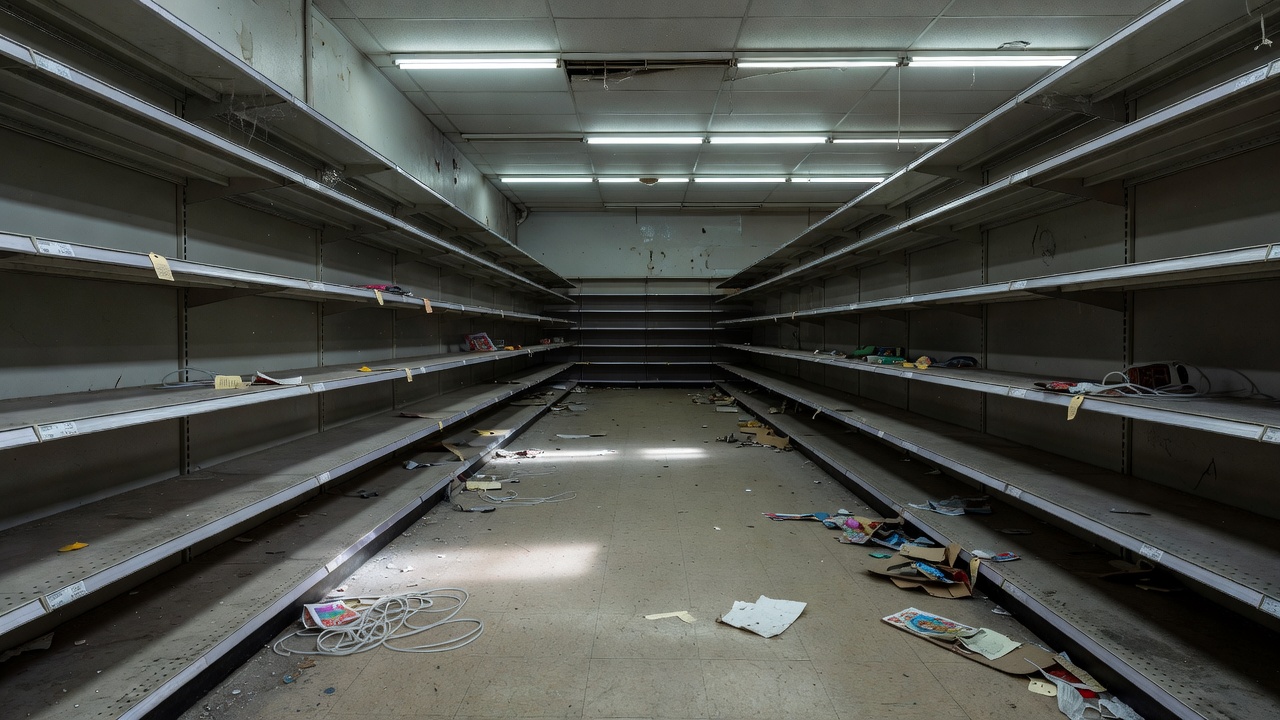
- Store Deterioration: Leaking roofs, fluorescent tube failures, and unorganized warehouse stocking alienated mothers and holiday shoppers.
- Outsourced E-Commerce: In a catastrophic strategic compromise during the early 2000s, Toys "R" Us contracted its digital storefront to Amazon for ten years, surrendering direct customer data and logistical sovereignty.
- Private Equity Advisory Fees: Between 2005 and 2017, the PE owners extracted over $470 million in advisory, transaction, and management fees from the struggling operating subsidiaries.
3. The September 2017 Liquidity Guillotine
In late August 2017, reports leaked that Toys "R" Us had hired restructuring advisers ahead of a $400 million bond maturity coming due in 2018. The reaction was swift and fatal:
Trade credit insurers immediately cancelled coverage for suppliers. Toy manufacturers like Mattel and Hasbro demanded upfront cash before shipping goods for the critical Q4 Christmas rush. With no liquidity left and lenders refusing covenant concessions, the board filed Chapter 11 on September 18, 2017. What was intended to be an operational restructuring deteriorated into complete liquidation of all 735 US store locations within seven months.
4. Key Lessons for Capital Allocators
- LBO Limits in Disrupted Sectors: Debt leverage multiplies operational vulnerability when an industry faces secular e-commerce disruption.
- Supplier Interdependence: In seasonal retail, vendor confidence is fragile. A loss of trade credit can trigger immediate death spirals before courts can formulate restructuring plans.
- Real Estate Separation: Carving out real estate assets to pay down senior lenders destroys the operational foundation of big-box store chains.
Verified Regulatory Docket
View the primary Chapter 11 bankruptcy filings and court documentation:
U.S. SEC EDGAR Database: Toys "R" Us, Inc. CIK #0000098362 →