1. The "Turnstyle" Patent Trap
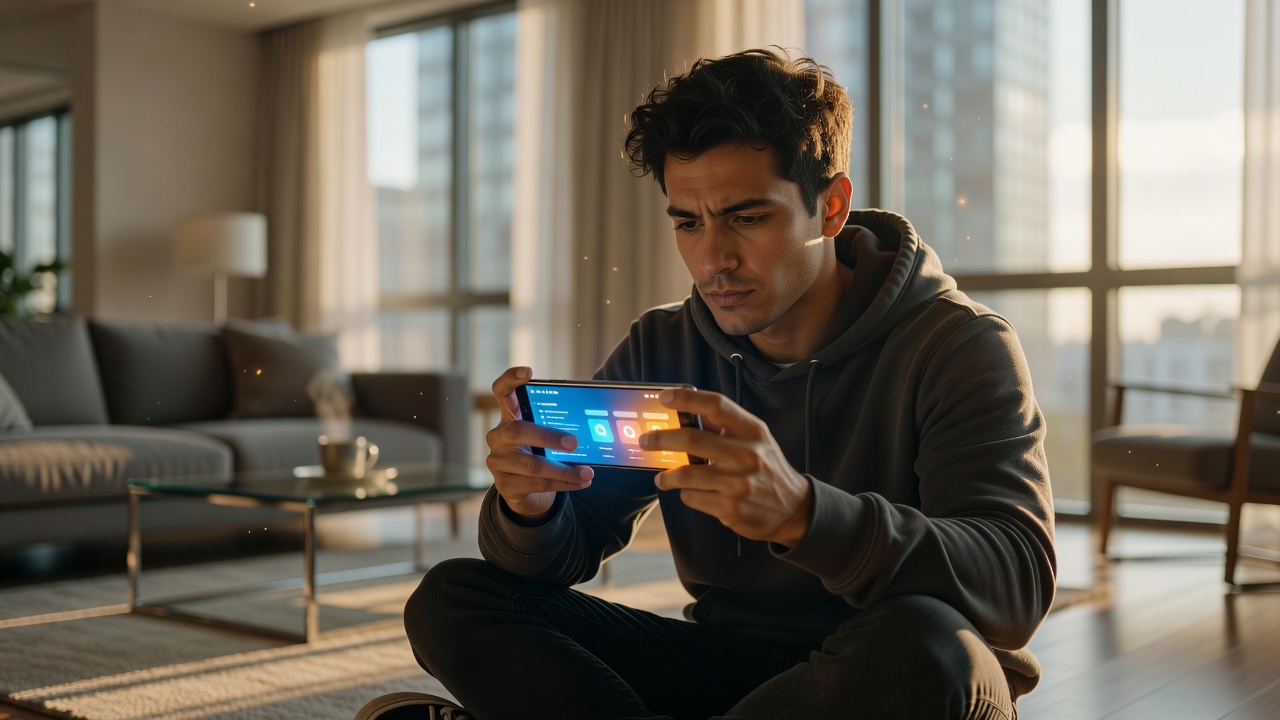
Quibi invested tens of millions creating and patenting "Turnstyle" technology, which seamlessly switched camera angles between vertical 9:16 and horizontal 16:9 aspect ratios when the user rotated their device.
While technically impressive, directors hated filming two simultaneous framings, budgets spiraled upwards of $100,000 per minute of produced screen time, and consumers expressed virtually zero interest in rotating their phones back and forth while watching scripted drama.
2. The Anti-Viral DRM Blunder
In an attempt to safeguard copyrighted Hollywood intellectual property, Quibi's mobile app disabled standard operating system screenshots and screen recording:
- Users could not make memes or post clips to Twitter, TikTok, or Instagram.
- No organic viral growth occurred; Quibi was completely invisible across social media platforms.
- Without organic discovery, customer acquisition costs (CAC) skyrocketed above $150 per user while monthly fees were $4.99 with ads.
| Metric | Quibi Internal Target | Actual Reality at 90 Days |
|---|---|---|
| Year 1 Paid Subscribers | 7,400,000 Paid Subs | ~500,000 Paid Subs |
| 90-Day Free-Trial Conversion | 60% Renewal Rate | Under 8% Renewal Rate |
| Production Cost Per Minute | $20,000 / minute | Up to $125,000 / minute |
3. The Controlled Wind-Down
Unlike Toys "R" Us or Carillion, Katzenberg and Whitman made the calculated financial decision not to spend their final reserves fighting inevitable churn. With approximately $350 million remaining in cash, the board voted to shut down operations on October 21, 2020, returning the residual capital to investors and selling the library rights to Roku for roughly $100 million.
Content Rights Archive
Review official transactional records covering the sale of Quibi media rights:
Roku Official Acquisition Release of Quibi Content Catalog →